Friday, December 18, 2015

It's the FInal Countdown

So the semester has come to an end. It has been an eventful 15 weeks so far. A description would be a roller coaster ride of events, activities, lesson plans, unit plans, blog entries, reflections, laughs, tears, and smiles. I would like to start off by saying thank you to Dr. Smirnova. You have given me the tools I will need to be successful in my teaching career as both an elementary teacher but also as a social studies teacher. I would also like to thank my fellow colleagues for all your help in getting through this semester.  I would not have been able to make it through this experience without each and every one of you. I know you all will be amazing teachers! WE DID IT!!!


I started off this semester thinking I was taking a normal methods course. I knew it would be more challenging than most because I had taken a previous class with Dr. Smirnova and she expects nothing but the best from her students. I wish I had had a organization plan in place before the course started. I had a huge organization problem in the beginning. Even though I had a binder, the eclass format was throwing me off that I had to stay connected to my laptop. I knew I had to this based off Dr. Smrinova's previous class but it still was a transition.

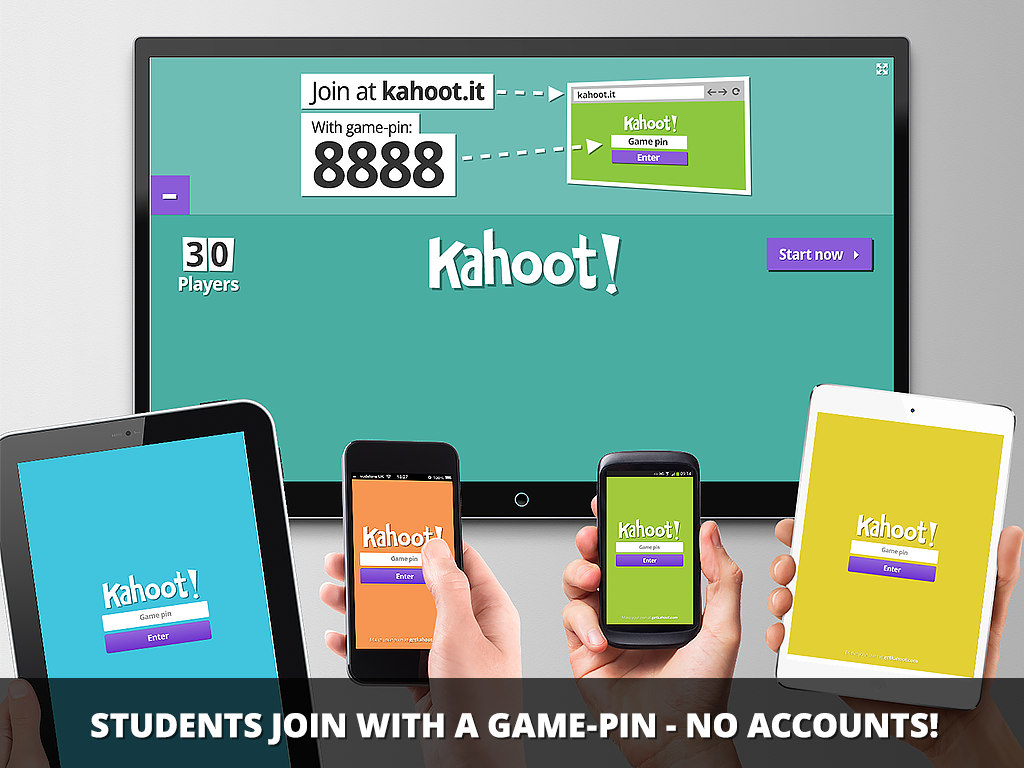
All in all, we learned many helpful tools we can use in our future classrooms. My personal favorites were the artifact bags, the use of NEWSELA, which I have seen used in the classrooms I work in, Kahoot, Prezi and how to develop an effective unit plan. I feel very prepared to go into my student teaching experience. Even though I will not be student teaching until Fall 2016, I am now equipped with the tools and techniques I can practice next semester in order to be even more prepared.


The edTPA is one of the biggest and I feel even more prepared now that I have completed ed5535. The efolio was tough and time consuming, but it was effective is showing what will be expected once I am in the midst of my student teaching. I hope everyone takes Dr. Smirnova's class with an open mind and understands that the amount of work is meant to challenge us and make us better teachers than we were when we came into her course.


I wish everyone good luck in their upcoming semester and their student teaching!! You will all do great things!!

-Lauren

Tuesday, December 15, 2015

Efolio makes a great guide!

"Education is the kindling of a flame not the filling of a vessel" -Socrates

The efolio assignment this semester has been very effective in preparing me for the edTPA that will be expected during student teaching. edTPA is a huge portion of the teacher certification process. Having the ability to practice imputing our lessons gives us an advantage. 

Task 1 was not too intimidating because it was only a matter of imputing the lessons. Task 1 part E includes the lesson plan format broken down into smaller segments. This section was the heftier part of the section because you have to reflect on why you chose to implement this lesson. It was time consuming because it seemed to be asking you to reflect on the same parts of your lessons but used different language to ask. 

Task 2 and Task 3 involve uploading the observation videos and student work and assessments. Watching myself in a video was uncomfortable. I had to watch it a few times before I could watch it straight through without wanting to turn it off. Even though it was an uncomfortable experience I feel I can learn from watching myself. I know that I fidget with my hands too much and I need to work on having relaxing body language in front of the students. 

I feel the efolio assignment was a great experience. I am not going to be student teaching until the Fall of 2016 and I feel this will help me prepare for what will be expected of me in the edTPA. I will be able to reference this efolio during the spring semester and "practice" some more before I start the student teaching process.  

Sunday, December 13, 2015

The Great Debate

For our current event project, we chose to use debating as a technique for teaching current events. When I was in elementary school, I remember having to read a current event article and find the 5 W's of that article. We thought that by incorporating debates into current events would make the content more interactive and meaningful for the students.   

First, we went over how to participate in a debate. We model a debate format by showing a video relevant to our audience. Next, we introduced a topic to our "students" and informed them that they would be responsible for debating on this topic. In order for this debate to go smoothly, our students needed to follow the debate format. I felt we learned a valuable strategy for teaching current events to our future elementary students.  

We used NEWSELA as a resource during this project. I enjoyed the NEWSELA website. I felt that they shortened articles enough for students to understand and follow the content. I also liked that there was an option for a quiz after each article. This would allow each student to become independent in their learning. In my future classroom, I can see myself using this resource in my classroom. It is student friendly, informative, and also up-to-date on current issues going on in the world. Our students will be the future citizens voting for laws, presidents, and public offices. They need to be informed of their community and of the world. Teaching them to have an interest in current events at a young age will give them the tools they need to be positive citizens in the future.  

Mock interviews

What I learned this week is that the interview process will be stressful once I complete my student teaching experience. The mock interviews we completed in class were interesting to say the least. I honestly was not prepared for the types of questions that were going to be coming my way. 

I approached "studying" for the mock interview more like a final exam. I understood the social studies content, 5 elements, pedagogical knowledge, and the format of a lesson plan. What I was not prepared for were the questions requiring me to come up with a lesson on economics on the spot. I knew that when I would be interviewed in the future I would be asked about my teaching methods and approaches to learning but for our class I was caught off guard. 


The questions my peers asked were very thought provoking. I now know what to go over before I go into a job interview in the future. Even though I already have a teaching assistant position, the questions the principal asked me were more towards my ability to assist the teachers. I can now start preparing myself for those lesson plan questions and hopefully better my chances of getting a job after student teaching. 

Making old things new again

Artifact
a simple object (such as a tool or weapon) that was made by people in the past
(Learnersdictionary.org)

This semester we developed many different inquiry lessons involving strategies for our students to have a better understand of social studies. A particularly interesting inquiry lesson, was the use of artifact bags in the classroom. 

half_moon_e.jpg

The previous four pictures are of the artifacts I chose to show to my peers in order to present the artifact bag lesson on Henry Hudson. We were to choose 3-4 artifacts and have the "students" explore why these artifacts are important. What made me pick these artifacts instead of others? What can we learn based on the artifacts? 

The students explored each artifact, using research techniques and the internet. Their task was to find out about the artifact individually and then come back and figure out why it was important to Henry Hudson's exploration. The students were to fill in the 5 W's on each artifact and would then write a paragraph about one artifact and it's importance to the voyage. 

I found this lesson to be fun to create. I feel the students would really enjoy this type of lesson because it is engaging and interactive. I would use this lesson as an introduction to Henry Hudson instead of a lesson after instruction has already occurred. 

Monday, December 7, 2015

Native American Tribes

Clan House | by roger4336

We were tasked with researching the Native American Tribe known as the Tlingit Tribe. The Tlingit tribe is located on the coast of Alaska and their lifestyle is affected by the geography of the land. The project was a collaboration as all our projects are this semester. Carielle and I each divided the work into equal parts and decided to teach each other about the content once our portions were complete. 

I enjoyed this project because it allowed me to learn about a Native American tribe I did not have much knowledge on. Growing up in the Hudson Valley, students are taught about the Algonquin tribe and the Delaware tribe. There is normally a brief overview of the tribes of the plains but not much is talked about the tribes in the north west. I enjoyed learning about the Tlingit tribe and can see myself incorporating this into my classroom instruction. Carielle and I delivered the content via direct instruction, but if I were in an elementary classroom I would use the inquiry model or cooperative model to present the content. My students can  show their understanding of the information by presenting their findings or activities to the class.

In all, I feel this assignment was important for my understanding of Native American history as a whole.